Best Squarespace Templates for Therapists and Counsellors in 2026
Introduction
A therapy website isn't just a digital brochure. It's often the first and only contact a vulnerable person has with your practice before they reach out. When someone sits down at their computer searching for therapist near me or counsellor for anxiety, they're taking a significant emotional step. The design, layout, and overall feel of your website either reduces that anxiety and builds trust, or it increases doubt. You need a Squarespace template that feels calm, professional, and genuinely trustworthy—not corporate, not clinical, not cold. This guide walks you through the best Squarespace templates for therapists and counsellors in 2026, explaining what makes each one effective for mental health practices and how to choose the right fit for your approach.
Key Takeaways Best Squarespace Templates for Therapists and Counsellors in 2026
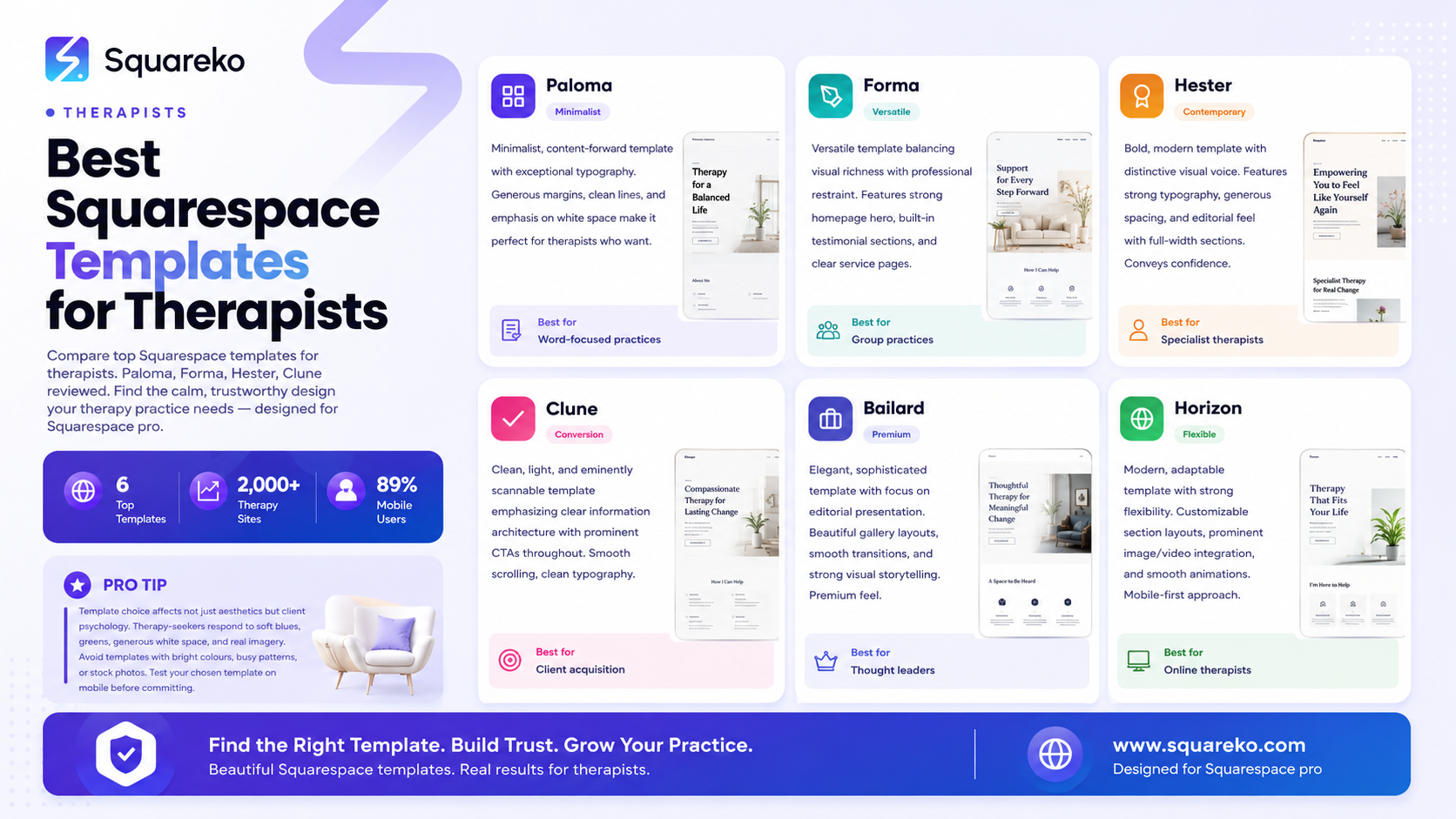
Effective therapy website templates prioritize calm aesthetics, clear navigation, and trustworthy visual hierarchy
Paloma, Forma, Hester, and Clune are strong Squarespace choices for therapists; each suits different practice styles
Essential template features for therapists include GDPR-friendly contact forms, booking integration compatibility, and accessible mobile design
Colour psychology matters: soft neutrals, blues, and greens build trust; avoid clinical whites and stark blacks
Professional photography, clear credentialing display, and prominent contact CTAs are non-negotiable for therapy websites
What Makes a Great Therapy Website Template
Before diving into specific templates, understand what separates an effective therapy website from a generic one. Your clients are searching for evidence of trustworthiness. They want reassurance before they pick up the phone or send that vulnerable first message.
A great therapy template has clear visual hierarchy—the most important elements (your credentials, your approach, how to contact you) stand out immediately. Navigation should be intuitive; clients shouldn't have to hunt for information. The layout should feel spacious, not cramped, which subconsciously communicates that you have time and emotional space for them.
Typography matters enormously. Therapy clients respond well to sans-serif fonts that feel modern and readable, paired with generous line height and spacing. Cramped text feels overwhelming—the opposite of what a therapy website should convey. The overall colour palette should feel calm: soft neutrals, warm whites, soft blues, muted greens. These colours are scientifically associated with calm and trust.
White space is your friend. Lots of it. The visual quiet of a well-spaced template signals that your practice is organized, not chaotic. This is subconsciously reassuring to someone in distress.
The Colour and Design Psychology
Colour choice is not aesthetic—it's functional. Therapy clients respond to specific colour cues.
Blues and soft greens signal trust, calm, and professionalism. These are the default colours for healthcare and mental health. A template with a soft blue accent or green undertones will feel inherently safe.
Warm greys and off-whites are better than pure white. Clinical white can feel cold and institutional. A warm grey (#f5f5f5 range) or off-white cream (#fafaf8 range) maintains professionalism without the sterility.
Avoid bright colours, high contrasts, and busy patterns. These overstimulate anxious clients. Save vibrant accents for small, intentional elements like buttons or section dividers.
Photography style matters. Real, candid therapy imagery (therapists in their actual offices, not stock photos) builds trust. If your template includes sample imagery, check that it features real therapy spaces, not generic business settings.
Top Squarespace Templates for Therapists
Paloma
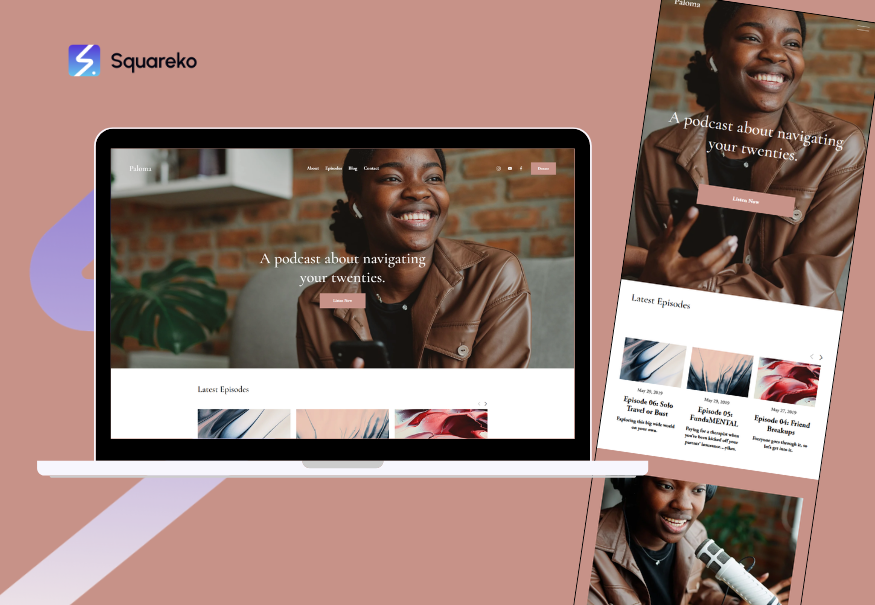
Paloma is a minimalist, content-forward template with exceptional typography. The generous margins, clean lines, and emphasis on white space make it perfect for therapists who want their words to be the focus. Features include a prominent hero section for your practice name and tagline, clear service listing pages, and smooth transitions between sections.
Why it works for therapists: It feels like a calm, organized thought—the visual equivalent of a good therapist's office. The template emphasizes clarity and accessibility. The mobile experience is excellent, which is critical when anxious clients are browsing on their phones at 2 AM.
Best for: Therapists with a minimalist practice philosophy or those focused on psychodynamic, person-centred, or integrative approaches.
Forma

Forma is a versatile template that balances visual richness with professional restraint. It features a strong homepage hero, built-in case study/testimonial sections, and clear service pages. The colour scheme is warm and inviting without being overwhelming.
Why it works for therapists: Forma allows you to tell your story without the design getting in the way. The testimonial section (critically important for therapy practices where word-of-mouth drives referrals) is beautifully integrated. The template supports good-quality photography without making the site feel image-heavy.
Best for: Established therapists with case studies or client testimonials, or those running group practices.
Hester
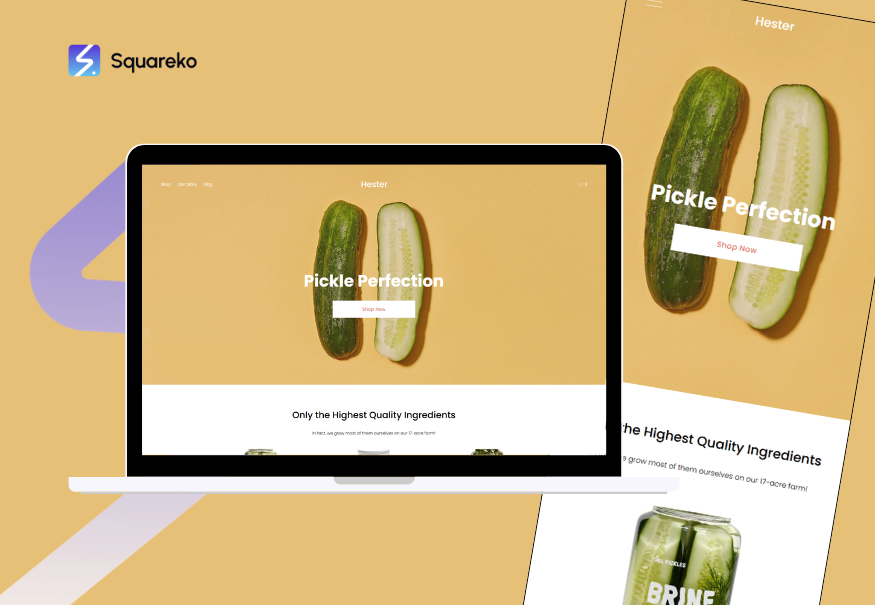
Hester is a bold, modern template with a distinctive visual voice. It features strong typography, generous spacing, and a slightly editorial feel. The homepage uses full-width sections with breathing room between concepts.
Why it works for therapists: Hester conveys confidence and expertise without arrogance. It's ideal for therapists who want to project authority and specialization (trauma specialists, clinical psychologists, accredited supervisors). The template feels contemporary and professional.
Best for: Therapists with specific specialisms or those in urban practices wanting a more distinctive visual presence.
Clune
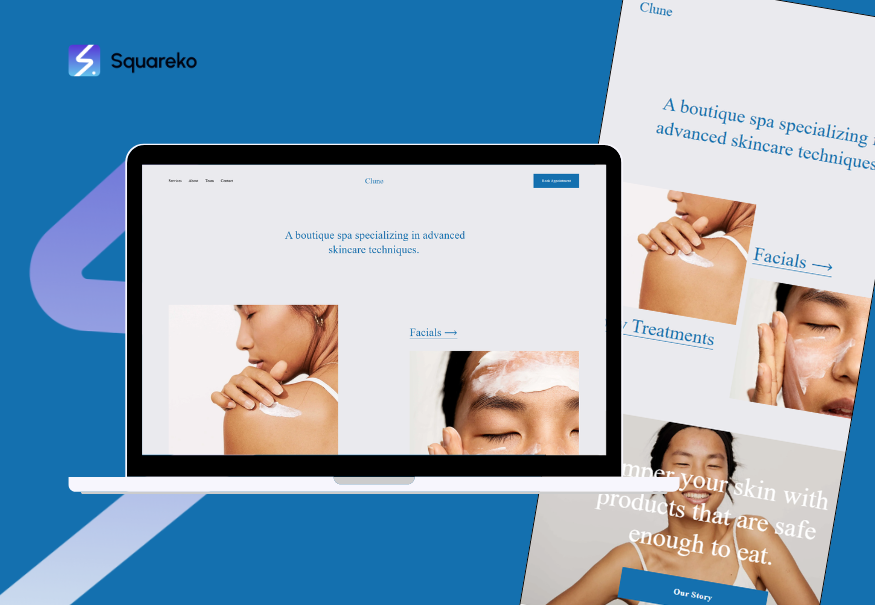
Clune is clean, light, and eminently scannable. It emphasizes clear information architecture with prominent CTAs throughout. The template features smooth scrolling, clean typography, and purposeful white space. Navigation is crystal clear.
Why it works for therapists: Clune is built for conversion. It assumes visitors are anxious and searching for specific information. Every section answers a potential question: Who are you? What's your approach? How do I reach you? The booking CTA appears naturally throughout.
Best for: Therapists prioritizing new client acquisition and those running online practices (where clear information reduces friction).
Bailard
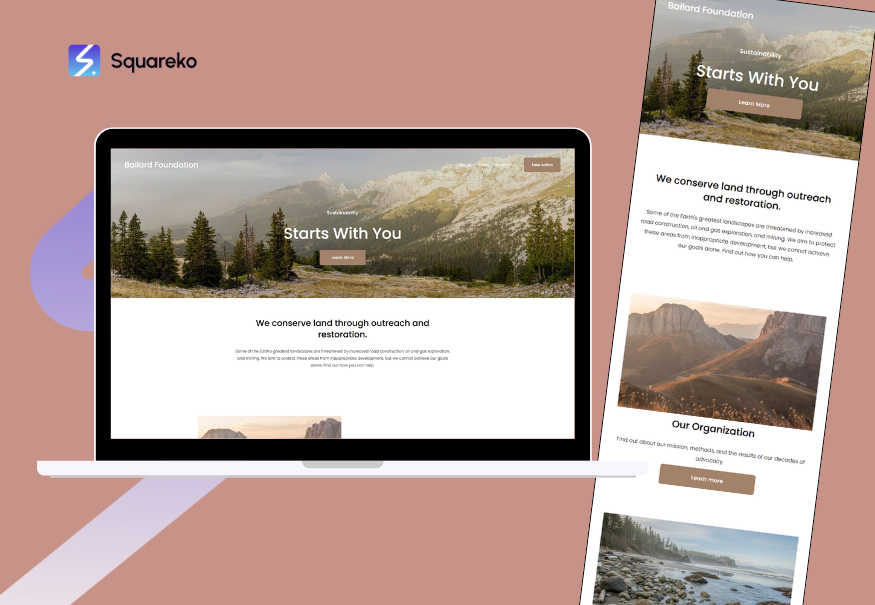
Bailard is an elegant, sophisticated template with a focus on editorial presentation. It features beautiful gallery layouts, smooth transitions, and strong visual storytelling. The template has generous spacing and premium feel without being overly designed.
Why it works for therapists: Bailard works well for therapists who have published work, offer workshops, or want to position themselves as thought leaders. The portfolio/gallery feature can showcase your space, your credentials, or educational content. The template conveys expertise and calm professionalism.
Best for: Therapists offering specialized services, those publishing articles, or running training programmes.
Horizon
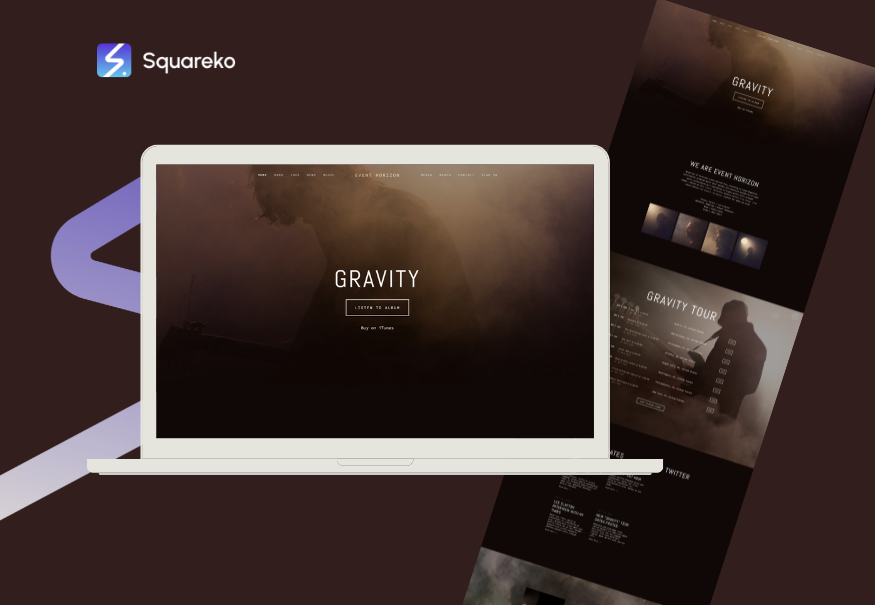
Horizon is a modern, adaptable template with strong flexibility. It features customizable section layouts, prominent image/video integration, and smooth animations. The template feels contemporary without being trendy.
Why it works for therapists: Horizon allows extensive customization, so you can adapt the template to your specific practice style. The video section is particularly useful for therapists recording welcome videos or educational content. The template is mobile-first, crucial for accessibility.
Best for: Tech-savvy therapists, those offering online services, or practices wanting to include multimedia content.
Template Comparison: Which Suits Your Practice
Minimalist, word-focused practices: Choose Paloma or Clune. These templates let your approach and philosophy shine through language rather than design.
Group practices or established therapists: Forma or Bailard. Both handle multiple team members, testimonials, and complex service offerings gracefully.
Specialist or high-profile therapists: Hester or Bailard. These templates convey authority and are ideal for trauma specialists, clinical psychologists, or those with published work.
Online-only or tech-forward practices: Horizon or Clune. Both excel at conversion and mobile experience.
Practices prioritizing accessibility: Paloma or Clune. Both have excellent built-in accessibility features and load quickly.
Essential Features to Check Before Choosing
Before committing to a template, verify these critical elements:
GDPR Compliance and Data Privacy: Squarespace templates come with cookie consent built-in, but check that your chosen template fully supports the privacy policy page and contact form settings required for GDPR. Therapy websites collect sensitive health data—you need clear data handling processes visible to clients.
Booking Integration Compatibility: Can your template integrate with Squarespace Scheduling, Calendly, Acuity, or your booking software of choice? This is non-negotiable. Your template needs to support a visible, easy booking process.
Mobile Responsiveness: Test the template on a smartphone and tablet. Therapy clients browsing on mobile devices represent a huge chunk of your potential client base. The site must feel calm and navigable on small screens.
Accessibility (WCAG Compliance): Check colour contrast ratios, ensure forms are keyboard-navigable, and verify that the template supports alt text for images. Many therapy clients have anxiety, depression, or neurodivergence; your website must be truly accessible.
Customization Options: Can you adjust colours, fonts, and spacing to align with your practice brand? A template shouldn't feel like a template—it should feel like your space.
Photography and Media Handling: Does the template display professional photography well? Can you upload high-quality images of your therapy space without them appearing distorted or diminished?
Load Speed: Squarespace is generally fast, but some templates load slower than others. Test your chosen template's speed before launch. Slow sites increase bounce rates and signal unprofessionalism.
Common Template Mistakes Therapists Make
Choosing a template because it looks nice without testing how it serves clients: A beautiful template that doesn't clearly answer Who is this therapist? or How do I book? will cost you clients. Choose based on function, not aesthetics alone.
Selecting a template designed for e-commerce, coaching, or general services: Therapy websites have unique requirements: clear credentialing display, prominent confidentiality statements, and a calm visual tone. A business services template often includes elements (pricing tables, product grids, testimonial carousels) that feel wrong for therapy.
Using the template default images: Therapy clients respond to authenticity. Replace all template demo images with real photos of your space, your credentials, and your professional environment. Stock therapy photos feel disingenuous.
Overcrowding the homepage: Some therapists try to explain their entire approach on the homepage. This overwhelms anxious clients. Let the template's structure guide you: hero section with one core message, then clear navigation to deeper pages (About, Approach, Services, Contact).
Ignoring mobile design: If the template doesn't look calm and scannable on a smartphone, don't use it. Therapy clients often browse on mobile, and a cluttered mobile experience will scare them away.
Not setting up clear CTAs: Your template should make it obvious how to contact you. Don't hide booking links in navigation menus. Make them visible, but integrated naturally into the design.
Frequently Asked Questions
-
Yes. Squarespace allows template changes, and your content (pages, blog posts, images, customer information) transfers over. However, your design layout, customizations, and page section arrangements will reset. It's better to choose your template carefully upfront than to switch later, but it's not impossible. Plan for some redesign work if you do switch.
-
Clune and Horizon are excellent for online-only therapists. Both prioritize clear information architecture and conversion. Online clients don't have the reassurance of visiting a physical space, so your website needs to communicate professionalism and trustworthiness even more clearly. Include video content, detailed credentials, and a clear booking process.
-
Squarespace templates include a cookie consent banner and GDPR-friendly default privacy settings. However, "included" doesn't mean "automatic compliance." You must still write and publish a clear privacy policy, configure contact forms to handle sensitive data appropriately, and ensure your booking system complies with data protection laws. The template provides the tools; you provide the compliance work.
-
If you need significant customization beyond a template, you have two options: hire a Squarespace designer (like Squareko) to customize a template extensively, or consider a bespoke design. For most therapists, a well-chosen, well-customized template is ideal—it provides professional design without the cost of a full custom build, and it's faster to launch.
-
Yes, all Squarespace templates are mobile-responsive. However, responsiveness varies. Some templates simply shrink desktop design down; others are truly designed mobile-first. Paloma, Clune, and Horizon have particularly strong mobile experiences. Test your chosen template on actual mobile devices before committing.
-
Yes. All Squarespace templates include blog functionality. However, some templates integrate blogging more naturally into the overall design than others. If content marketing is central to your strategy, choose a template like Forma or Bailard that makes blogging feel like a core feature rather than an afterthought.
-
Squarespace regularly releases new templates and updates existing ones. Your template might receive design refinements, performance improvements, or new feature integrations. Updates are generally non-breaking and improve the experience. You can choose to adopt updates or stick with your current design.
-
Choose Paloma or Clune. Both are visually quiet, minimize complexity, and allow clients to find information quickly without feeling overwhelmed. The generous white space and clear hierarchy signal that your practice is organized and calm. Avoid templates with animations, carousels, or busy layouts.
Ready to Launch Your Therapy Website
Choosing the right Squarespace template is your first major decision. The template you select becomes the foundation for how clients experience your practice online. A thoughtful choice—one that prioritizes calm, clarity, and trustworthiness—will pay dividends in client inquiries and bookings.
If you're overwhelmed by the options or want expert guidance on customizing your template, Squareko specializes in building high-conversion therapy websites on Squarespace. We don't just set up a template; we configure every element—from trust signals to booking workflows—specifically for therapy practices. Visit squareko.com to discuss your website and book a discovery call. Your ideal clients are searching for you right now.

From custom website design to SEO strategy, we help businesses launch a site that looks professional and performs better.

About the Author
Walid | squareko
I'm Walid Hasan, a Certified Squarespace Expert and Squarespace Circle Platinum Partner with over 12 years of hands-on experience designing and optimizing high-performing websites. Over the years, I've had the privilege of building more than 2,000 Squarespace websites for clients around the world, always focusing on clean design, strong user experience, and conversion-driven results.